Suction Dredging Across Western Canada
Suction Dredging Across Western Canada
Suction dredging for sediment, sludge, and organic buildup.
Seahorse provides suction dredging services for wastewater lagoons, stormwater ponds, lake bottoms, marinas, private ponds, and managed waterbodies across BC, Alberta, Saskatchewan, and Manitoba.

Family-Operated • 15+ Years of Experience • Fully Insured • Canada’s Official Truxor Dealer • Municipal & Private Projects • Serving BC, AB, SK & MB
What is suction dredging?
Suction dredging is the targeted removal of sediment, sludge, and organic material from the bottom of a waterbody. It is used when accumulated material reduces depth, restricts flow, affects access, or creates maintenance issues in ponds, lagoons, marinas, drainage areas, and other managed waterways.
Unlike surface vegetation removal, suction dredging addresses buildup below the waterline. Seahorse uses specialized amphibious equipment and dredging attachments to remove material from shallow, soft, or difficult-access areas where conventional equipment may not be practical.
Note: Some sites may need suction dredging on its own, while others may benefit from a combined approach with aquatic vegetation harvesting, cattail removal, duckweed removal, or shoreline excavation.
Sediment and organic buildup can reduce the function of a waterbody over time.
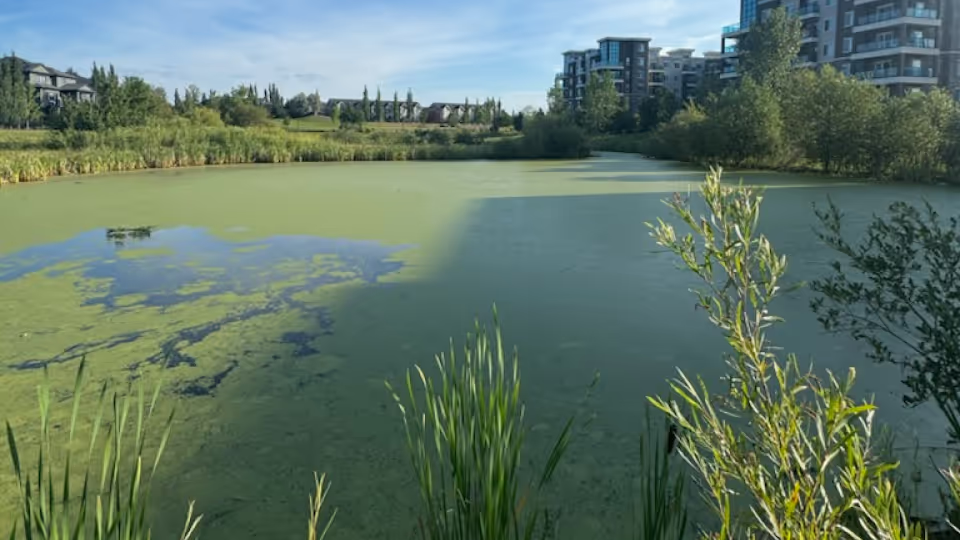
As plant material, silt, and organic matter accumulate, ponds, lagoons, marinas, and drainage areas lose depth and become harder to maintain. Buildup restricts flow, reduces capacity, increases plugging risk, and over time can push a waterbody toward larger remediation projects - full lagoon dredging projects can run from several hundred thousand dollars to several million for a typical prairie lagoon.
Targeted suction dredging is the earlier, less-disruptive option. By addressing problem areas before they require full waterbody dredging, municipalities and property owners can preserve capacity, defer larger projects, and keep the work scoped to the actual problem.

The key difference: addressing what surface work can't reach.
Aquatic vegetation removal clears growth, but it doesn't address what's already settled on the bottom. Suction dredging targets the sediment, sludge, and organic buildup that's accumulated below the waterline, the material that limits depth, flow, and capacity over time.
Benefits of Suction Dredging
A targeted way to restore depth, flow, and waterbody function.
Restores Lost Depth
Remove accumulated sediment, sludge, and organic material from shallow or built-up areas.
Supports Better Flow
Help improve water movement through ponds, lagoons, inlets, outlets, marinas, and drainage areas.
Reduces Plugging Risk
Remove material that can contribute to blocked drains, pumps, culverts, and water movement infrastructure.
Targets Specific Problem Areas
Suction dredging can address localized buildup - shallow corners, inlet zones, accumulated spots - without draining or disrupting the full waterbody.
Equipment for Cattail Removal
Built to remove sediment and organic material from below the surface.
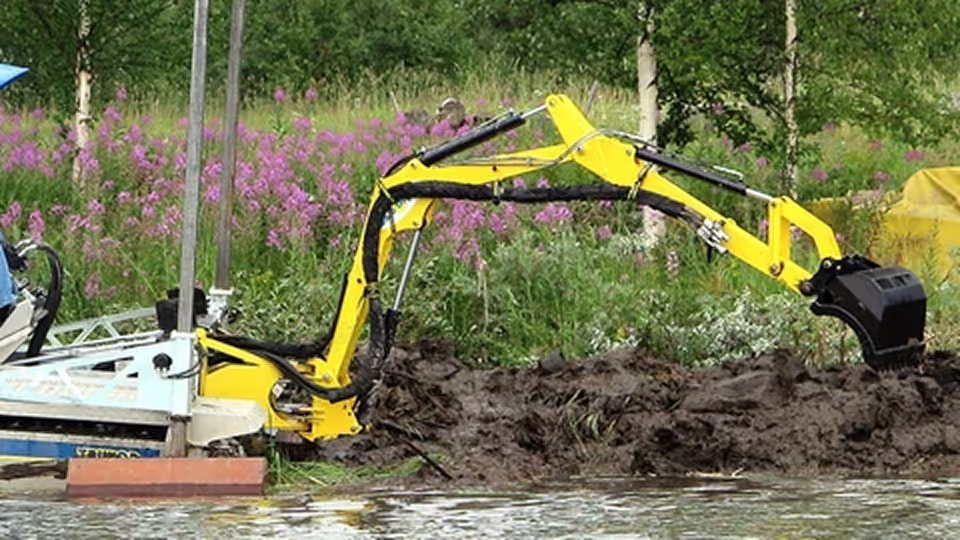
Seahorse uses Truxor amphibious equipment fitted with suction dredging attachments designed for removing sediment, sludge, and organic buildup from shallow or difficult-access waterbodies. The setup allows crews to position the machine in soft, wet, or confined areas and pump material from targeted zones below the waterline.
Suction dredging pump
Removes sediment, sludge, and organic buildup from targeted areas below the surface.
Amphibious positioning
Allows the machine to work from soft shorelines, shallow water, pond edges, lagoon cells, and confined access points.
Material handling and dewatering
Pumped material can be discharged to dewatering bags or settlement areas on site for handling and disposal per project scope and regulatory requirements.

Need a more targeted solution?
Some sites require suction dredging, while others need vegetation removal first or a combined maintenance approach. Seahorse can recommend the right service based on the material, waterbody type, access, and long-term maintenance goals.


Need sediment, sludge, or organic buildup removed from a waterbody?
Tell us where material has accumulated, how it is affecting depth, flow, access, or maintenance, and what the waterbody needs to do. Seahorse will assess the site and recommend the right dredging or waterbody maintenance approach.
For municipal lagoons, stormwater ponds, and marinas, planning ahead helps align dredging work with access, weather, and maintenance windows.

FAQs
Some of the most frequently asked questions our team receives. Feel free to reach out with any other questions, our team would love to answer them.
Suction dredging is the removal of sediment, sludge, and organic material from the bottom of a pond, lagoon, marina, or waterbody using specialized pumping equipment.
Suction dredging can help with lost depth, sediment buildup, sludge accumulation, restricted flow, plugged infrastructure, shallow areas, and long-term maintenance issues.
No. Aquatic vegetation harvesting removes plant growth from the waterbody. Suction dredging removes accumulated material from below the surface, such as sediment, sludge, and organic buildup.
Yes. Suction dredging can be used for wastewater lagoons, stormwater retention ponds, drainage areas, ponds, marinas, and other managed waterbodies depending on site conditions.
Yes. Removing accumulated sediment and organic material can help restore depth in built-up or shallow areas.
Dredged material is typically pumped to on-site dewatering bags or settlement areas where solids separate from water. Once dewatered, the material is handled and disposed of in line with project scope and applicable regulations - usually through composting, agricultural application, or approved disposal sites depending on the material type.