Duckweed & Algae Removal Across Western Canada
Duckweed & Algae Removal Across Western Canada
Duckweed and algae removal for ponds, lagoons, and marinas.
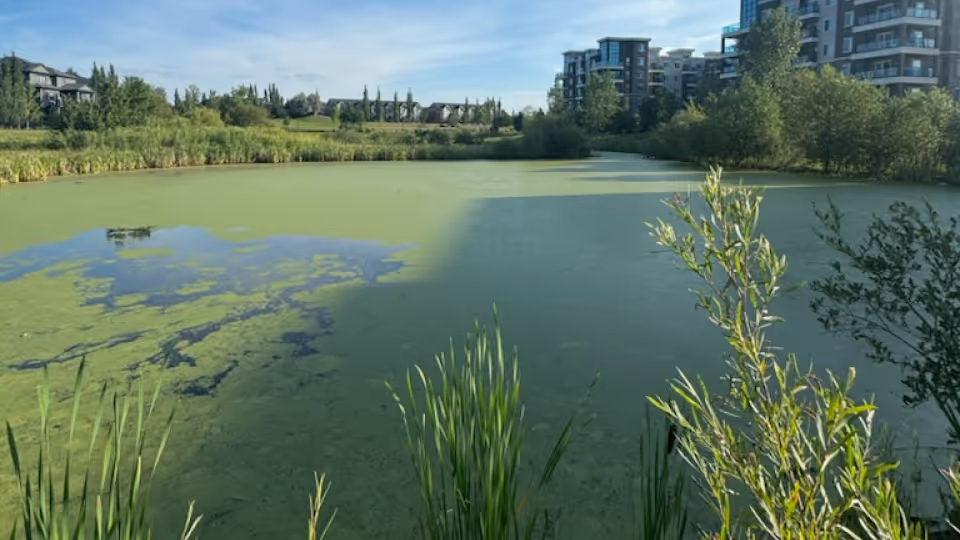
Seahorse provides chemical-free duckweed and algae removal for private ponds, stormwater ponds, wastewater lagoons, marinas, retention basins, and slow-moving waterbodies across BC, Alberta, Saskatchewan, and Manitoba.
Family-Operated • 15+ Years of Experience • Fully Insured • Canada’s Official Truxor Dealer • Municipal & Private Projects • Serving BC, AB, SK & MB
What is duckweed and algae removal?
Duckweed and algae removal is the mechanical skimming, collection, and removal of floating surface growth from ponds, lagoons, marinas, retention basins, and other slow-moving waterbodies.
Duckweed forms dense floating mats across the water surface, while algae can appear as surface growth, scum, mats, or bloom-like buildup. Seahorse removes visible floating growth using specialized amphibious equipment and surface collection attachments.
Note: Some algae issues may be tied to nutrients, depth, water movement, or recurring seasonal conditions. Mechanical removal can help clear visible surface growth, but some sites may also need ongoing maintenance, dredging, aeration, or other waterbody management work.
Floating growth can spread quickly and cover the water surface.
Duckweed and algae can quickly affect the appearance, access, airflow, and function of a waterbody. In private ponds and marinas, heavy surface growth can make the water look neglected and harder to use. In managed waterbodies like stormwater ponds and wastewater lagoons, floating mats can make inspection, maintenance, and waterbody management more difficult.
For municipal lagoons, dense duckweed mats can block wind action across the water surface, limiting natural reaeration and contributing to low-oxygen conditions. For wastewater lagoons specifically, surface mats are part of the larger management issue tied to sludge buildup, odour, and H₂S concerns.

The key difference: restoring the air-water interface.
Floating mats don't just look bad, they cut off the surface from wind action, sunlight, and oxygen exchange. Mechanical skimming removes the cover and restores that contact, instead of leaving material to drift, sink, or decompose in place.
Benefits of Mechanical Duckweed & Algae Removal
A chemical-free way to clear surface growth and restore open water.
Restores Open Water
Clears floating mats from ponds, lagoons, marinas, and quiet water areas, opening up surface use and access.
Restores Natural Aeration
Removing the surface cover allows wind action, oxygen exchange, and sunlight to reach the water column again - the underlying biology that makes mat coverage a real waterbody problem.
Breaks the Buildup Cycle
Physical removal takes biomass offsite instead of leaving it to decompose and release nutrients that fuel the next round of growth.
Visible Progress Right Away
Mechanical skimming clears surface growth as the work is completed, instead of waiting for treated material to die back over time.
Equipment for Cattail Removal
Built to skim, collect, and remove floating surface growth.
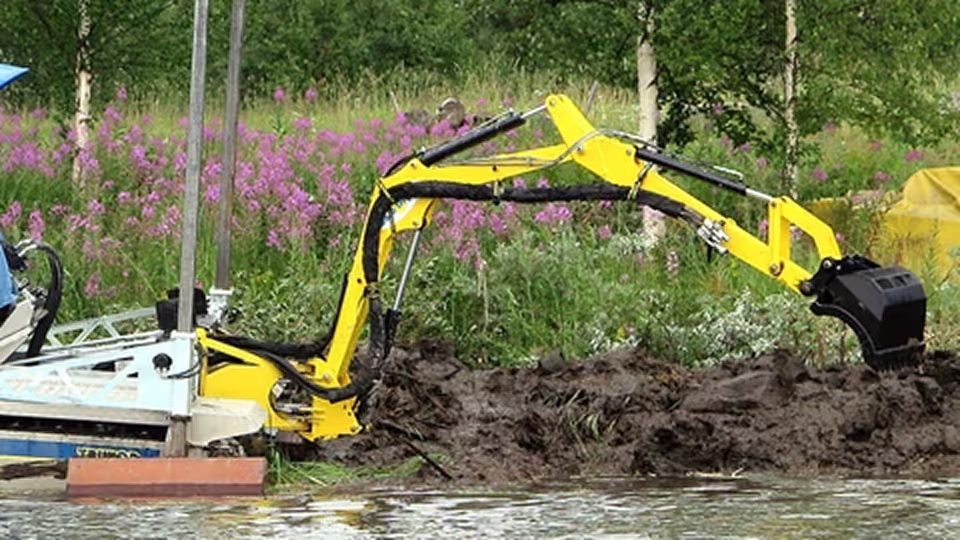
Seahorse uses Truxor amphibious equipment fitted with surface skimming and collection attachments designed for duckweed, algae mats, and floating organic material. These attachments allow crews to remove surface growth from ponds, lagoons, marinas, retention basins, and confined waterbodies.
Surface skimming
Sweeps floating duckweed, algae mats, and surface buildup off the water as the machine moves across the surface, covering open water in a single pass.
Collection during removal
Floating material is gathered during the skimming process instead of being left to drift or sink.
Confined waterbody access
Compact amphibious footprint allows access to marinas, lagoon cells, basins, and ponds without a boat launch, ramp, or staging area.

Need a more targeted solution?
Some duckweed or algae-heavy sites are part of a larger waterbody problem. Seahorse can recommend the right service based on the surface growth, waterbody type, sediment buildup, access, and long-term maintenance goals.

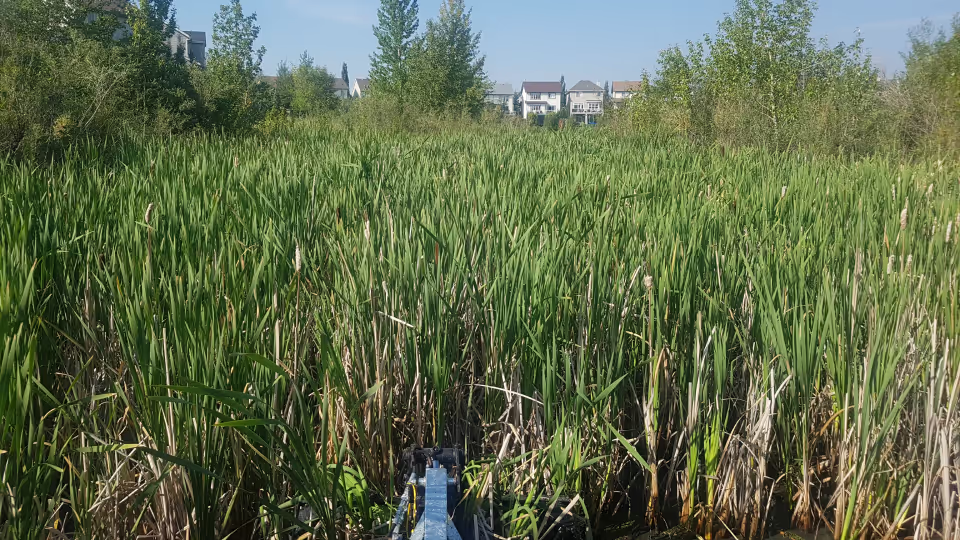


Need duckweed or algae removed from a pond, lagoon, marina, or waterbody?
Tell us what is covering the surface, where it is causing problems, and what you need the waterbody to do. Seahorse will assess the site and recommend the right mechanical removal approach.
For best results, contact Seahorse before floating growth spreads across the full water surface.

FAQs
Some of the most frequently asked questions our team receives. Feel free to reach out with any other questions, our team would love to answer them.
Duckweed and algae removal is the mechanical skimming, collection, and removal of floating surface growth from ponds, lagoons, marinas, retention basins, and other waterbodies.
Yes. Seahorse focuses on mechanical removal rather than herbicide-first or chemical-first treatment.
Seahorse can remove visible floating algae mats, surface buildup, and similar floating organic material. Some algae issues may also require ongoing waterbody management if they are tied to nutrients, sediment, depth, or water movement.
It can. Duckweed and algae growth often depends on nutrients, water movement, sunlight, weather, and seasonal conditions. Seahorse may recommend ongoing maintenance or related services if recurring growth is expected.
Removed material needs to be properly handled once it is taken out of the water. Seahorse manages that as part of the service, typically through composting facilities or, where suitable, agricultural application, depending on site conditions and applicable regulations.
Yes. Seahorse works in wastewater lagoons, stormwater retention ponds, municipal waterbodies, private ponds, marinas, and lake lots.