Shoreline Work and Amphibious Excavation Across Western Canada
Shoreline Work and Amphibious Excavation Across Western Canada
Shoreline work and excavation for ponds, lagoons, and waterfront properties.
Seahorse provides amphibious shoreline work and excavation for waterfront properties, ponds, lagoons, marinas, and drainage areas across BC, Alberta, Saskatchewan, and Manitoba.
Family-Operated • 15+ Years of Experience • Fully Insured • Canada’s Official Truxor Dealer • Municipal & Private Projects • Serving BC, AB, SK & MB
What is amphibious shoreline work?
Amphibious shoreline work involves digging, clearing, reshaping, and improving access around wet, soft, or hard-to-reach waterbody edges. It is used along ponds, lagoons, drainage channels, lake lots, marinas, and shorelines where conventional excavation equipment may not be practical or cost-effective.
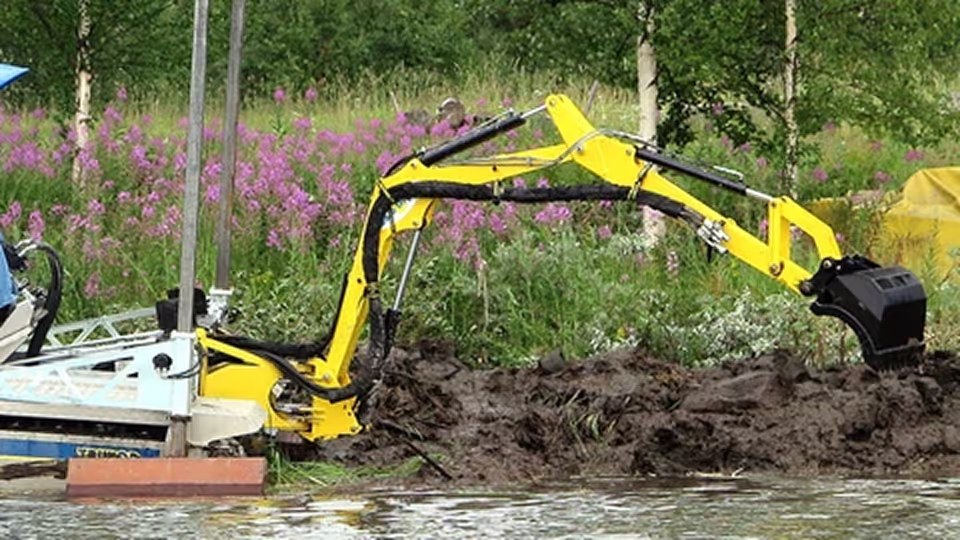
Seahorse uses Truxor amphibious equipment fitted with excavation attachments to work along wet banks, shallow water, soft shorelines, and difficult-access waterbody edges — without the staging, matting, or barge mobilization that conventional shoreline work typically requires.
Note: Some sites may need shoreline excavation on its own, while others benefit from a combined approach with cattail removal, aquatic vegetation harvesting, suction dredging, or aquatic rototilling.
Some shoreline projects need equipment that can work where conventional machinery can't.
Soft banks, shallow water, muck, and overgrown waterbody edges can make routine excavation work difficult. Conventional excavators typically need ground protection mats, access roads, or barge support - adding mobilization cost and site disturbance, sometimes more than the project itself.
For private property owners, that often means limited dock or shoreline access. For municipalities, it can mean overgrown outfalls, drainage restrictions, or infrastructure maintenance that's been deferred because access is too difficult.
Amphibious equipment gives crews a way to work in wet, soft, and shallow conditions without the staging requirements of conventional methods.

The key difference: land-and-water work in one mobilization.
Conventional shoreline excavation usually requires either marine equipment with barges and access points, or land-based excavators with ground protection matting and access roads. Amphibious equipment does both - moving between shore and water on the same job without separate staging, barges, or matting plans.
Benefits of Amphibious Shoreline Work
A practical way to improve shoreline access, drainage, and waterbody-edge usability.
Improves Water Access
Open up shorelines, pond edges, docks, boat launches, and shallow-water entry points for usable waterfront.
Supports Drainage and Flow
Clear or reshape areas around ditches, channels, inlets, outlets, and culverts where access or function has been compromised.
Stabilizes and Reshapes Shorelines
Restore bank shape, address erosion-prone edges, and rebuild damaged shoreline structure where conventional equipment can't operate without significant ground protection.
One Mobilization for Land-and-Water Work
Amphibious equipment handles both above-water and in-water work on the same job, eliminating the cost and scheduling complexity of separate marine and land-based crews.
Equipment for Amphibious Shoreline Work
Built to dig, clear, and shape wet shoreline areas.
Seahorse uses Truxor amphibious equipment fitted with excavation and material-handling attachments for wet, shallow, and difficult-access shoreline work. These attachments allow crews to dig, pull, and move material around ponds, lagoons, drainage areas, lake lots, and shoreline environments.
Excavation and pulling attachments
Buckets and grappling tools dig, pull, and move material along shoreline edges, pond banks, and shallow water - no marine equipment or ground protection matting required.
Land-and-water transition
The machine moves between shore and water on the same job, working soft ground, shallow water, and bank edges without separate staging or access roads.
Compact site footprint
Smaller equipment footprint than conventional excavators means less ground disturbance and less site preparation - useful on sensitive shorelines, waterfront properties, and permitted environments.

Need a more targeted solution?
Some shoreline or excavation projects are part of a larger waterbody maintenance need. Seahorse can recommend the right service based on the vegetation, sediment, access, drainage, and long-term maintenance goals.



Need shoreline, access, or wet-area excavation work?
Tell us what area needs to be cleared, shaped, accessed, or improved. Seahorse will assess the site and recommend the right amphibious shoreline or excavation approach.
For best results, plan shoreline and wet-area work around access conditions, water levels, weather, and any applicable approvals.
FAQs
Some of the most frequently asked questions our team receives. Feel free to reach out with any other questions, our team would love to answer them.
Amphibious shoreline work uses equipment designed to operate in wet, shallow, soft, or difficult-access areas where conventional excavators may not be practical without significant ground protection or barge support.
Seahorse can help with shoreline clearing, access improvements, pond and lagoon edges, drainage areas, wet banks, shallow-water areas, and waterbody-edge maintenance depending on site conditions.
No. Shoreline excavation is typically used for targeted digging, shaping, clearing, or access work around shorelines and wet areas. Suction dredging removes sediment, sludge, or organic material from below the water surface using a pumping setup.
Some projects may require permits, approvals, or regulatory considerations depending on the location, waterbody, scope of work, and province. Seahorse can help review project requirements during the assessment stage.
Yes. Seahorse works with private property owners, lake lots, ponds, dugouts, marinas, municipalities, stormwater ponds, wastewater lagoons, and managed waterbodies.
Yes. Seahorse uses amphibious equipment designed for shallow water, soft shorelines, wet banks, and difficult-access aquatic environments.