Aquatic Vegetation Services in British Columbia
Aquatic Vegetation Services in British Columbia
Mechanical lake weed, lily pad removal, dredging, and shoreline services across British Columbia.
Seahorse provides aquatic vegetation harvesting, lily pad and lake weed removal, duckweed and algae removal, suction dredging, aquatic rototilling, and shoreline work for BC municipalities, lakefront properties, private ponds, marinas, Interior lake communities, and managed waterbodies.

Family-Operated • 15+ Years of Experience • Fully Insured • Canada’s Official Truxor Dealer • Municipal & Private Projects • Serving BC, AB, SK & MB
BC lake communities deal with some of the most persistent aquatic vegetation problems in Western Canada.
British Columbia’s Interior lakes - including the Okanagan, Shuswap, and Kootenay regions - are among the most recreationally important waterways in the province. They’re also where aquatic vegetation management matters most.
Yellow pond lily is native to BC and plays an important role in healthy lake ecosystems, providing shelter and habitat for fish and wildlife. But in nutrient-enriched recreational lakes, dense pond lily growth can spread through thick rhizome networks below the surface - blocking dock access, swimming areas, and boat lanes in the resort and cottage communities that depend on usable waterfront. Simple cutting without root disturbance can lead to rapid regrowth; mechanical harvesting combined with subsurface rototilling may help extend results where site conditions allow.
Eurasian watermilfoil - one of BC’s most significant aquatic invasives - has been established in BC lakes since the 1970s and affects major recreational waterbodies including the Okanagan, Shuswap, Lower Mainland, Vancouver Island, and Kootenay regions. It forms dense underwater mats that interfere with recreation, displace native plants, and can affect fish habitat. In long-running BC control programs, mechanical methods such as winter rototilling and in-season harvesting have been used to manage milfoil in high-use areas. Purple loosestrife, phragmites, and parrot’s feather can also affect BC shorelines and waterways depending on the region.

Responsible removal requires planning in BC.
Mechanical vegetation removal, rototilling, harvesting, dredging, and shoreline work may require a Water Sustainability Act change approval or notification before work begins. Seahorse can help review the project context and recommend the right mechanical approach for the site.
Aquatic vegetation and waterbody services available in British Columbia.
Every BC waterbody is different. Seahorse can recommend the right service based on vegetation type, lake conditions, access, authorizations, and long-term maintenance goals.

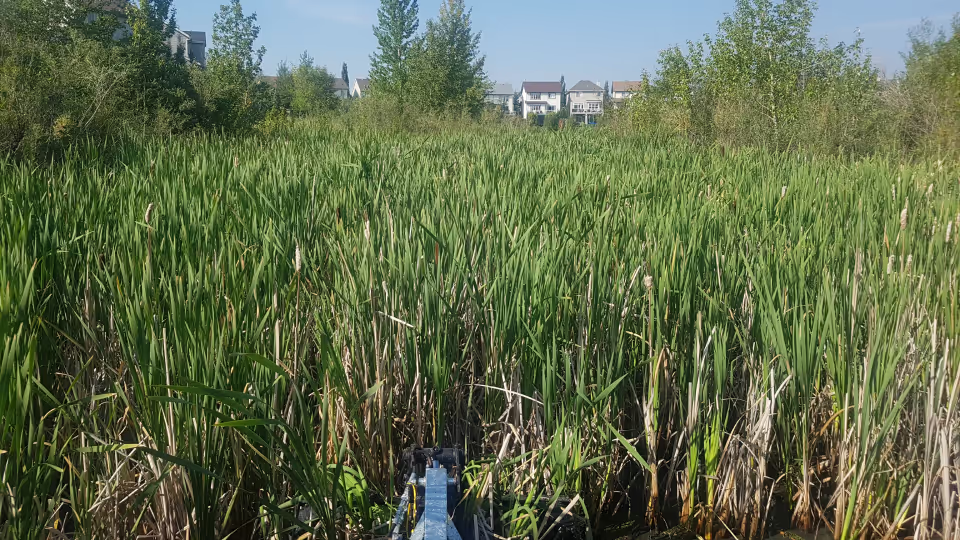
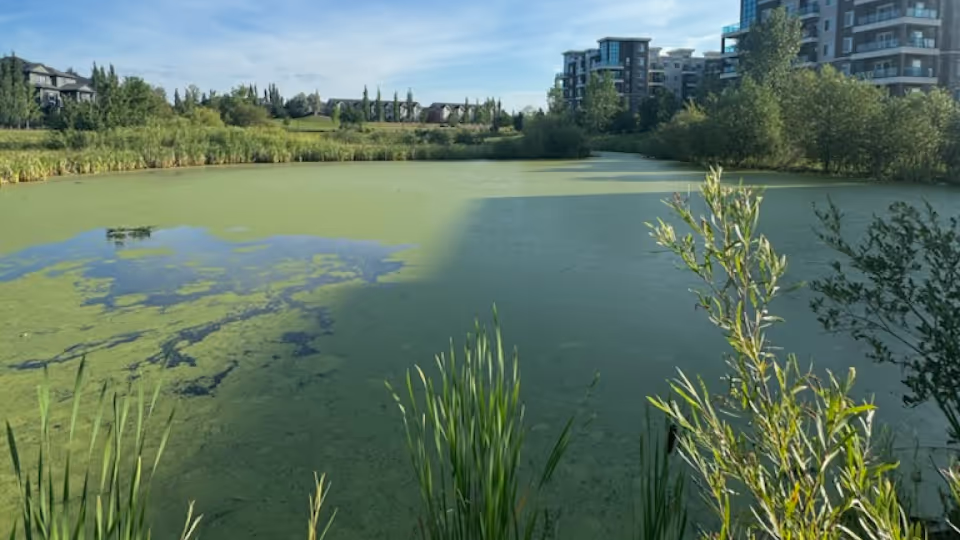


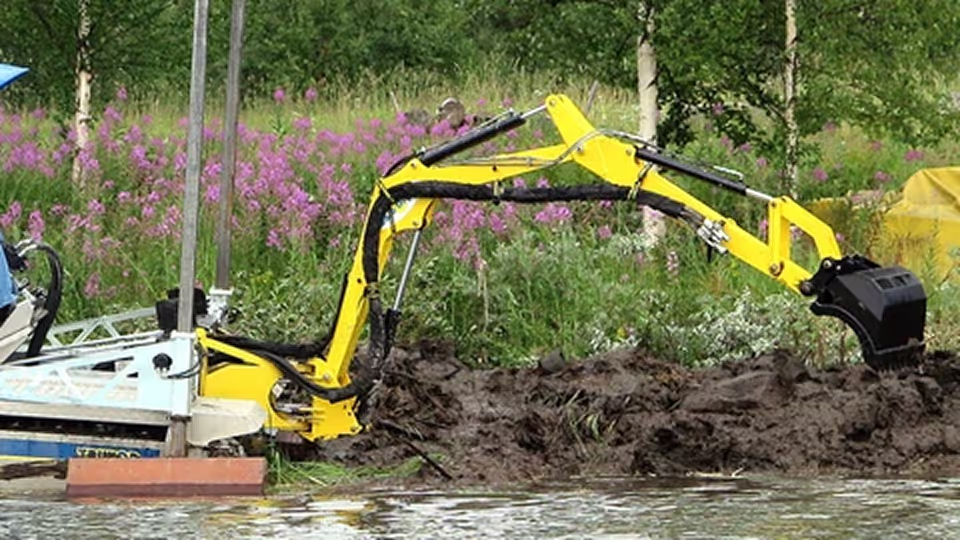
Serving BC municipalities, property owners, and marinas.


Plan approvals before in-water or shoreline work begins.
In British Columbia, mechanical vegetation removal, harvesting, rototilling, dredging, and shoreline work may fall under the Water Sustainability Act provisions for changes in and about a stream, which includes lakes, streams, banks, and foreshores. Depending on the scope, the work may require a change approval or notification before it begins.
Applications and notifications are submitted through FrontCounter BC. Requirements and timelines can vary based on the scope of work, waterbody type, region, and proximity to fish habitat. Seahorse can help clients understand what approvals may apply to their BC project before work begins.
Vegetation Type
Pond lilies, Eurasian watermilfoil, aquatic weeds, cattails, duckweed, algae, or shoreline overgrowth.
Waterbody Type
Lake lot, private pond, municipal waterbody, stormwater pond, marina, marina basin, or Interior lake community.
Access and Staging
Shoreline access, soft ground, launch points, equipment movement, water depth, and disposal areas.
Approval Considerations
Water Sustainability Act change approval or notification, FrontCounter BC submission, project scope, fish habitat timing windows, and foreshore disturbance requirements.
Need lake weed, lily pad, or waterbody maintenance services in British Columbia?
Tell us where the site is, what is growing or building up, and what you need the waterbody to do. Seahorse will review the project and recommend the right mechanical solution.
FAQs
Some of the most frequently asked questions our team receives. Feel free to reach out with any other questions, our team would love to answer them.
It may. Mechanical vegetation removal, harvesting, rototilling, dredging, and shoreline work may require a Water Sustainability Act change approval or notification when the work affects lakes, streams, banks, foreshores, or aquatic habitat. Applications and notifications are submitted through FrontCounter BC.
Yes. Seahorse provides mechanical lily pad removal and aquatic rototilling for BC lake lots, resort properties, dock areas, swimming areas, and waterfront properties where dense pond lily growth is affecting access or use.
Yes. Mechanical harvesting and rototilling are the primary control methods used for Eurasian watermilfoil in BC, including in the Okanagan and Shuswap where provincial programs have relied entirely on mechanical methods for decades. Seahorse can assess the site and recommend the right mechanical approach.
Yes. Seahorse works with BC municipalities on stormwater ponds, wastewater lagoons, drainage areas, and public waterbody maintenance.
Include the nearest community or lake, waterbody type, photos of the issue, what vegetation or buildup is present, access details, and what you need the waterbody to do.
Seahorse can review projects across British Columbia, with experience in Interior lake communities, Okanagan and Shuswap regions, and other BC private, municipal, and marina waterbody sites. Availability depends on location, access, project scope, timing, and equipment requirements.