Mechanical Vegetation Removal for Municipalities
Mechanical Vegetation Removal for Municipalities
Keep municipal water infrastructure clear, compliant, and moving.
From wastewater lagoons and stormwater ponds to drainage channels, inlets, outlets, and public waterways, our amphibious Truxor equipment helps municipal teams restore flow, reduce vegetation buildup, and prevent small maintenance issues from becoming costly infrastructure problems.
SECOR Certified • First Aid Certified • CSTS • WHMIS • Licensed Marine Operators • Traffic Control & Flagging • Field Hazard Assessments • Fully Insured • Serving BC, Alberta, Saskatchewan & Manitoba
Aquatic vegetation is not just a visual problem. It's an infrastructure problem.
Unchecked cattails, duckweed, algae, and aquatic vegetation can restrict flow, block inlets and outlets, reduce lagoon performance, contribute to odour concerns, plug drains and pumps, and increase the cost of future maintenance.
For municipalities, that means more than an overgrown pond. It can mean resident complaints, emergency callouts, reduced treatment capacity, flooding risk, difficult inspections, and avoidable long-term costs.
Mechanical harvesting removes the biomass from the site instead of leaving dead vegetation to decompose in the water, helping reduce the organic load that can feed future sludge, odour, and vegetation problems. Herbicide-only approaches can leave dead plant material behind, adding organic load and potentially worsening odour and sludge accumulation over time.

A note on long-term costs.
Lagoon sludge dredging - the eventual consequence of years of unmanaged vegetation typically runs $300 to $800 per dry ton. A prairie lagoon carrying 2,500 to 5,000 dry tons of accumulated sludge can face dredging costs in the range of $875,000 to $4 million or more.
Annual mechanical vegetation harvesting interrupts the buildup that drives those projects, and protects effective lagoon volume in the meantime.
Municipal Waterbody Challenges
Common waterbody problems municipalities need to stay ahead of.
From wastewater lagoons to stormwater ponds, Seahorse helps municipal teams manage vegetation before it restricts flow, limits access, creates odour concerns, or turns into a larger maintenance issue.
Overgrown Lagoon Cells
Cattails, reeds, duckweed, and floating vegetation reducing access and performance.
Blocked Inlets and Outlets
Vegetation buildup around drains, culverts, channels, and outfalls.
Stormwater Flow Restrictions
Growth that limits movement through ponds, ditches, and drainage infrastructure.
Odour and H₂S Concerns
Organic buildup and vegetation conditions that can contribute to odour complaints.
Inspection and Access Issues
Overgrowth that makes it harder for crews to monitor, maintain, or service waterbodies.
Seasonal Vegetation Overload
Fast summer growth that becomes a larger maintenance issue if left too long.
Built for Municipal Waterway Challenges
Purpose-built equipment. Municipal-ready crews. Western Canada coverage.
Allan and Melissa Dronkelaar are Canada's official Truxor dealer. The crews running this equipment know it from the bolts up because we sell the same machines we operate and are trained and certified through our own dealer program.
Seahorse uses specialized amphibious Truxor equipment designed for wetland and aquatic work, not conventional machinery forced into sensitive or hard-to-access environments. Truxor machines transition between land and water and accept a wide range of tools for vegetation removal, dredging, cutting, excavation, and collection.
That matters on municipal sites where access is often limited, shorelines are soft, lagoon banks are sensitive, and work needs to be completed efficiently with minimal disruption.
Specialized aquatic equipment: amphibious machines for shallow, soft, wet, and difficult-access areas.
Professional independent crews: experienced operators who can complete work efficiently with minimal oversight.
Safety-conscious operations: SECOR, First Aid, CSTS, WHMIS, flagging, field hazard assessments, and insurance documentation available.
Chemical-free mechanical removal: vegetation is physically cut, collected, extracted, and transported for responsible disposal where required.
Western Canada mobilization: serving municipalities across BC, Alberta, Saskatchewan, and Manitoba.
Aquatic vegetation and waterway services for municipal infrastructure.

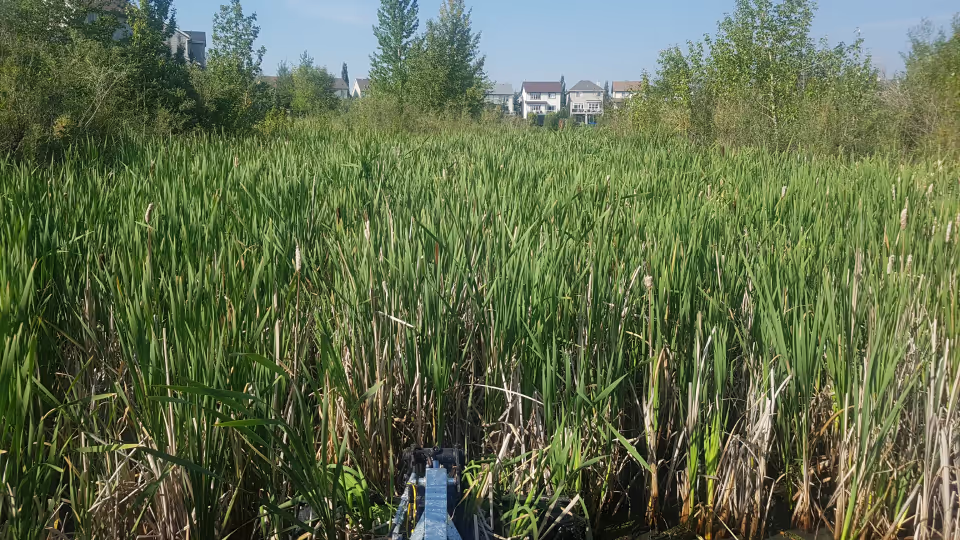
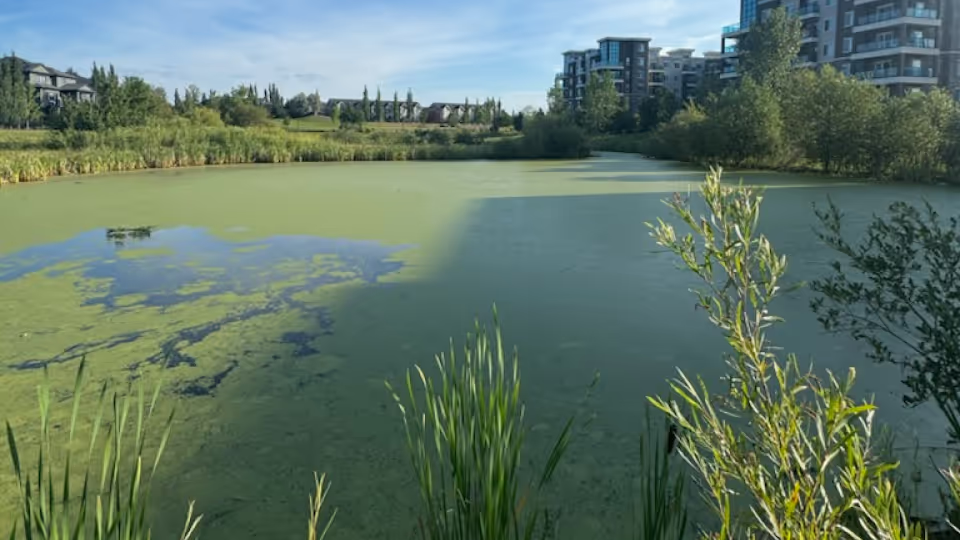


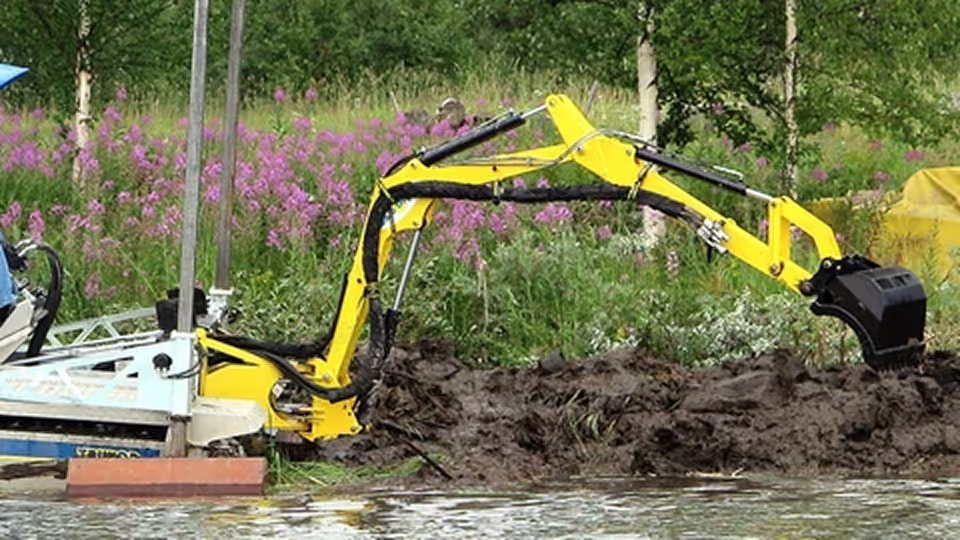
Ready for municipal procurement, site safety, and documentation requirements.
Municipal work requires more than equipment. It requires crews who can show up prepared, work safely, provide documentation, and understand the realities of public infrastructure sites.
Seahorse can support municipal procurement and project planning with safety documentation, insurance information, certification details, field hazard assessment processes, service scope discussions, and project-specific recommendations.
A Clear Process for Municipal Waterbody Maintenance.

Site Review & Problem Assessment:
We review the waterbody, access points, vegetation type, flow issues, safety considerations, and project goals.

Service Recommendation:
We recommend the right mechanical approach - harvesting, cattail removal, duckweed collection, dredging, rototilling, excavation, or a combination of services.

Safe Mobilization & Execution:
Our crew mobilizes specialized amphibious equipment and completes the work with a focus on safety, efficiency, and minimal disruption.

Vegetation Removal & Responsible Disposal:
Removed vegetation and organic material can be collected, transported, and handled according to the compliance and regulations.

Post-Service Review:
We review the completed work and provide recommendations for seasonal or annual maintenance where needed.
Stay ahead of seasonal growth before it becomes an operational Issue.
Aquatic vegetation grows quickly during the warm season and can create bigger operational issues when it's left to decompose. Proactive harvesting helps municipalities manage vegetation before it contributes to odour, organic buildup, flow restriction, and public complaints.
Fall harvesting is especially valuable because it removes biomass before winter decomposition and spring turnover - a known odour-release event when trapped anaerobic water mixes back into the column as ice melts. Removing biomass before that happens reduces the material available to fuel odour and complaint cycles in the spring.
Need a municipal waterbody cleared, maintained, or assessed?
Whether you are dealing with a wastewater lagoon, stormwater pond, blocked outlet, overgrown drainage channel, or public waterway, Seahorse can help assess the site and recommend the right mechanical solution.

FAQs
Some of the most frequently asked questions our team receives. Feel free to reach out with any other questions, our team would love to answer them.
Yes. Seahorse can provide supporting documentation for municipal procurement, including insurance information, safety credentials, scope discussions, and project-specific service details.
No. Seahorse focuses on mechanical aquatic vegetation removal. Vegetation is physically cut, collected, extracted, and removed where required.
Yes. Seahorse works in wastewater lagoons, stormwater retention ponds, municipal lakes, marinas, drainage areas, private ponds, lake lots, and other managed waterbodies.
Seahorse serves Western Canada, including British Columbia, Alberta, Saskatchewan, and Manitoba.
Yes. Seahorse uses amphibious Truxor equipment designed for aquatic and wetland environments where conventional machinery isn't practical.
Yes. Seahorse can remove and transport vegetation to composting facilities or other approved disposal locations depending on compliance and regulation requirements.