Aquatic Vegetation Harvesting & Waterbody Services
Aquatic Vegetation Harvesting & Waterbody Services
Chemical-free mechanical solutions for overgrown, built-up, and difficult waterbodies.
Seahorse helps municipalities, lakefront property owners, marinas, and private landowners manage aquatic vegetation, cattails, phragmites, duckweed, algae, sediment buildup, shoreline access, and difficult waterbody maintenance issues using chemical-free mechanical methods.

Family-Operated • 15+ Years of Experience • Fully Insured • Canada’s Official Truxor Dealer • Municipal & Private Projects • Serving BC, AB, SK & MB
Overgrown waterbodies usually need more than a one-size-fits-all solution.
Every waterbody is different. Some sites need aquatic weed harvesting. Others need cattail removal, surface skimming, dredging, rototilling, shoreline work, or a combination of several. Many do.
Seahorse uses chemical-free mechanical methods and specialized amphibious equipment to help restore access, improve flow, remove vegetation, manage buildup, and make difficult waterbodies easier to maintain. The right approach depends on what is happening at the site - which is where every project starts.

Find the Right Service
What problem are you trying to solve?
Each card below matches a common waterbody problem to the service most likely to help, and links through to the full service page.

Aquatic weeds are taking over open water.
Aquatic Vegetation Harvesting: Mechanical cutting, collecting, and removal of submerged and floating aquatic weeds from lakes, ponds, lagoons, marinas, and waterways.
Best for: Lake weeds, open water access, boat lanes, swimming areas, lagoon vegetation, pond vegetation.
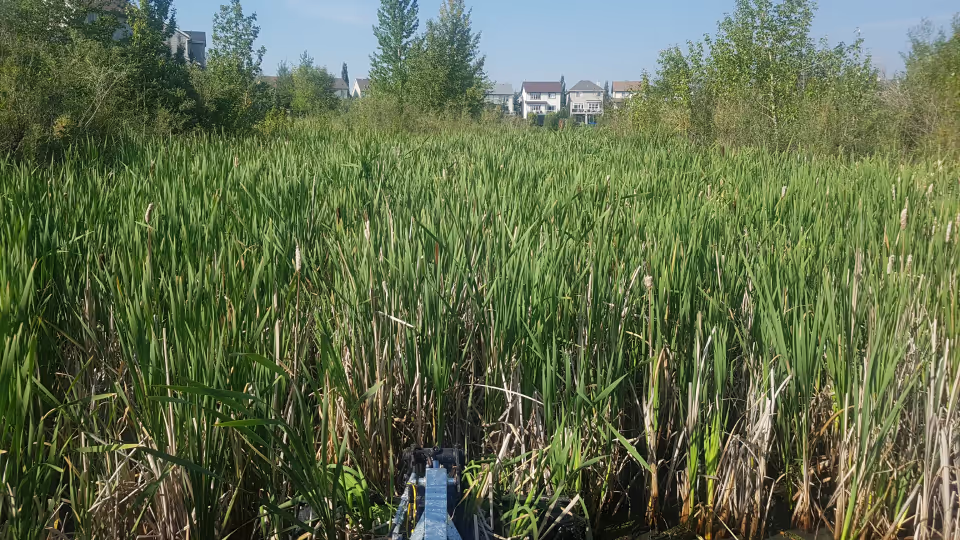
Cattails or reeds are choking the shoreline.
Cattail, Reed & Bulrush Removal: Mechanical clearing of dense emergent vegetation from shorelines, lagoon cells, pond edges, drainage areas, and shallow water zones.
Best for: Cattail-choked shorelines, reeds, bulrushes, blocked access, drainage edges, lagoon banks.
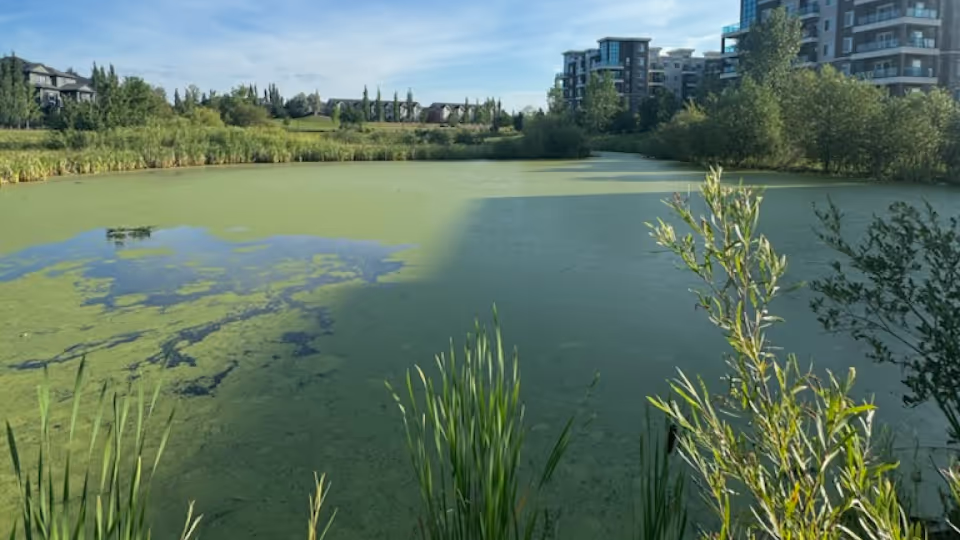
Duckweed or algae is covering the surface.
Duckweed & Algae Removal: Surface skimming and removal of floating duckweed, algae mats, and organic surface growth from ponds, lagoons, marinas, and retention basins.
Best for: Green surface mats, duckweed blooms, pond algae, marina buildup, slow-moving water.

Vegetation keeps coming back after removal.
Aquatic Rototilling: Subsurface root-zone disturbance used after vegetation removal to help reduce regrowth pressure and extend the results of mechanical clearing.
Best for: Recurring cattails, rooted aquatic weeds, post-harvest follow-up, regrowth management.

Sediment or sludge has built up below the surface.
Suction: removal of sediment, sludge, and organic buildup from below the surface to help restore depth, improve flow, and support long-term maintenance.
Best for: Sediment buildup, sludge, shallow areas, lost depth, plugged infrastructure, marina or lagoon buildup.

Need help choosing the right waterbody service?
Tell us what is growing, where the problem is happening, and what you need the waterbody to do. Seahorse will assess the site and recommend the right mechanical solution (or combination of services) based on the site conditions and your goals.
For best results, book before peak summer growth whenever possible.
FAQs
Some of the most frequently asked questions our team receives. Feel free to reach out with any other questions, our team would love to answer them.
Aquatic vegetation harvesting is usually the starting point for submerged or floating aquatic weeds. If the growth includes dense cattails, duckweed, algae, sediment buildup, or recurring rooted vegetation, another service or a combined approach may be recommended after the site is assessed.
Seahorse focuses on chemical-free mechanical methods, including harvesting, cutting, skimming, dredging, rototilling, and excavation. Vegetation is physically removed rather than treated with herbicides.
Yes. Many sites need a combined approach. Cattail removal is often followed by aquatic rototilling. Duckweed removal may be paired with dredging if sediment is contributing to recurring growth. Seahorse can recommend the right combination based on the site.
Yes. Seahorse works with municipalities, lakefront property owners, private landowners, marinas, ponds, lagoons, and managed waterbodies across Western Canada.
Removed vegetation, dredged material, and organic buildup are properly handled after removal - typically through composting, agricultural application, or approved disposal depending on the material type, site conditions, and applicable regulations.
Seahorse provides aquatic vegetation and waterbody maintenance services across Western Canada, including British Columbia, Alberta, Saskatchewan, and Manitoba.