Aquatic rototilling Across Western Canada
Aquatic rototilling Across Western Canada
Subsurface aquatic rototilling to help reduce weed regrowth.
Seahorse provides chemical-free aquatic rototilling for ponds, lagoons, shorelines, lake lots, drainage areas, and managed waterbodies across BC, Alberta, Saskatchewan, and Manitoba.

Family-Operated • 15+ Years of Experience • Fully Insured • Canada’s Official Truxor Dealer • Municipal & Private Projects • Serving BC, AB, SK & MB
What is aquatic rototilling?
Aquatic rototilling is the mechanical disturbance of aquatic weed roots and rhizomes below the surface. It is used after vegetation removal to help disrupt the root systems that can allow cattails, phragmites, reeds, and aquatic weeds to return.
Unlike harvesting, which removes visible plant growth, aquatic rototilling works below the waterline and into the root zone. Seahorse uses specialized amphibious equipment fitted with rototilling attachments to disturb rooted vegetation in shallow, soft, wet, or difficult-access areas.
Note: Aquatic rototilling is often recommended after cattail removal, aquatic vegetation harvesting, or shoreline clearing when regrowth pressure is expected.
Cutting the visible growth does not always solve the root problem.
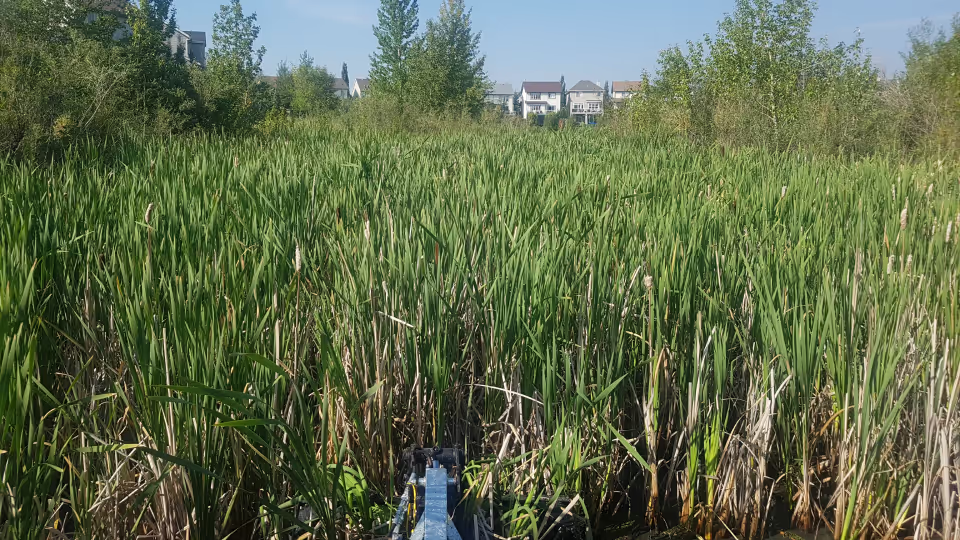
Many aquatic weeds and emergent plants can return when root systems, rhizomes, or underground plant structures are left in place. Standard cutting or harvesting removes the visible vegetation, but some sites need additional root-zone disturbance to make recurring growth more manageable.
Aquatic rototilling helps extend the results of mechanical removal by targeting what remains below the surface.

The key difference: the second step in a two-step job.
For sites with significant regrowth pressure, removing visible vegetation is only half the work. Aquatic rototilling disturbs the root systems that get left behind - the same systems that drive recurring growth. Used as a follow-up to harvesting or cattail removal, it helps mechanical work hold its results into the next season.
Benefits of Aquatic Rototilling
A chemical-free follow-up service for longer-lasting vegetation control.
Extends Removal Results
Helps cattail removal, shoreline clearing, and aquatic vegetation harvesting hold their results longer by addressing the root systems that drive regrowth.
Targets Root Systems Mechanically
Subsurface disturbance reaches the rhizome networks and root structures below the waterline - where chemical treatments would otherwise be the default approach.
Chemical-Free Root-Zone Control
Disturbs root systems mechanically, without herbicide application or chemical residue in the water.
Paired With Vegetation Removal in a Single Mobilization
When planned alongside harvesting or cattail removal, rototilling can be done during the same site visit - reducing scheduling and mobilization costs versus booking it as a separate job.
Equipment for Aquatic Rototilling
Built to disturb aquatic roots below the surface.
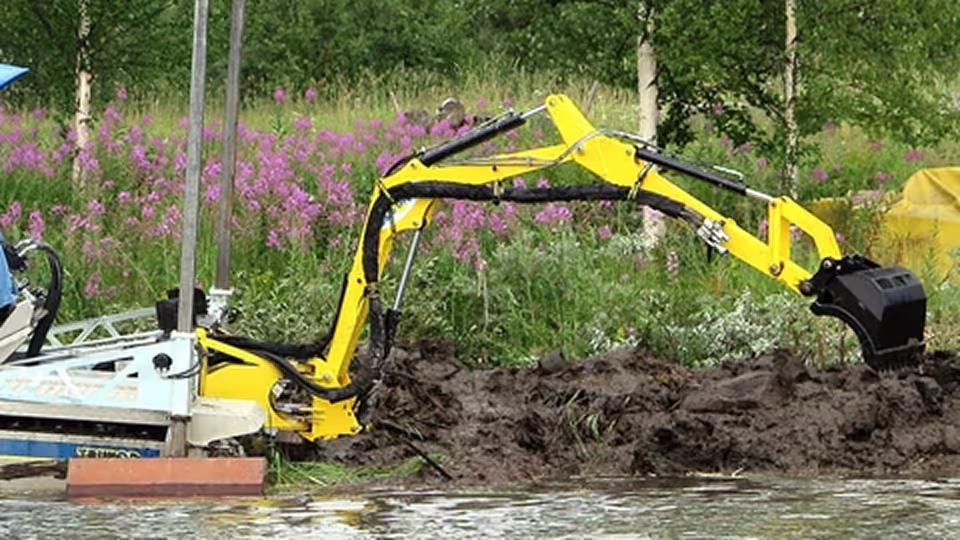
Seahorse uses Truxor amphibious equipment fitted with subsurface rototilling attachments designed for aquatic and wetland environments. These attachments allow crews to disturb root systems below the waterline in shallow, soft, or overgrown areas where conventional equipment may not be practical.
Subsurface root disturbance
Rototilling tines churn the bottom sediment and root zone below the waterline, disrupting rhizome networks where regrowth originates.
Most effective immediately after removal
Rototilling works best directly after harvesting or cattail removal, when root structures are exposed and most vulnerable to disturbance.
Soft-bottom and shallow-water access
Amphibious equipment can work in soft sediment, shallow water, and along wet shorelines where conventional rototilling equipment can't operate without ground protection.

Need vegetation removed before rototilling?
Aquatic rototilling is often most effective after visible vegetation has already been removed. Seahorse can recommend the right sequence based on the vegetation type, site conditions, and long-term maintenance goals.


Need to reduce regrowth after aquatic vegetation removal?
Tell us what was removed, where regrowth is happening, and what you need the waterbody to do. Seahorse will assess the site and recommend whether aquatic rototilling is the right follow-up service.
Aquatic rototilling is often best planned alongside harvesting or cattail removal so the root zone can be addressed after the visible growth is cleared.

FAQs
Some of the most frequently asked questions our team receives. Feel free to reach out with any other questions, our team would love to answer them.
Aquatic rototilling is the mechanical disturbance of aquatic weed roots and rhizomes below the surface to help reduce regrowth pressure after vegetation removal.
Yes. Seahorse focuses on mechanical aquatic vegetation control rather than herbicide-first treatment.
It is often recommended after cattail removal, aquatic vegetation harvesting, or shoreline clearing when recurring growth is expected.
No service can guarantee vegetation will never return. Aquatic rototilling helps disturb root systems and make regrowth more manageable, but results depend on vegetation type, site conditions, nutrients, water depth, and future maintenance.
Yes. Aquatic rototilling may be recommended after cattail removal to disturb remaining root systems and help extend the results.
Yes. Seahorse provides aquatic rototilling for ponds, lagoons, shorelines, lake lots, drainage areas, and managed waterbodies depending on site conditions.